10 Essential Ways to Start a Conversation in Moroccan Darija
5 minutes read
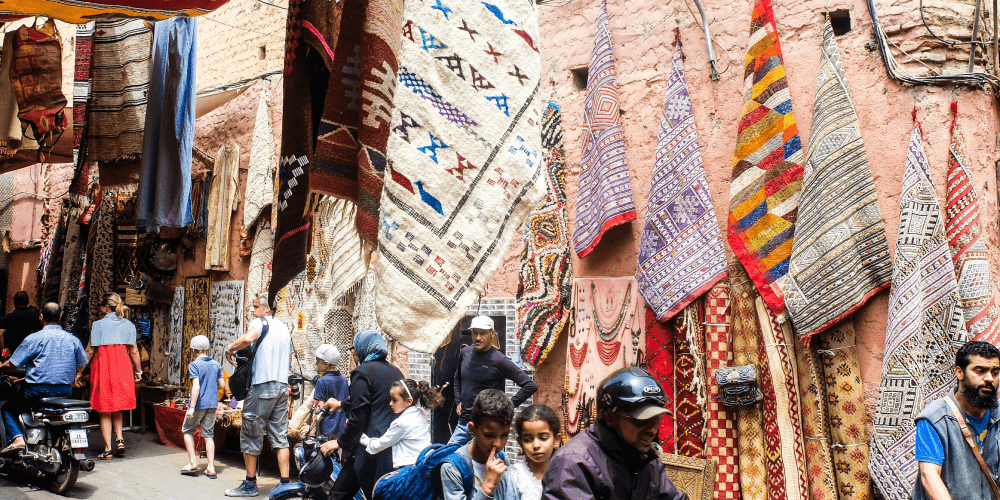
Moroccan Darija is more than just a dialect; it is a vibrant linguistic mix of Arabic, Amazigh (Berber), and French that serves as the heartbeat of daily life in Morocco. While many locals speak English or French, making an effort to speak Darija is the ultimate sign of respect. It transforms you from a tourist into a guest.
Whether you are haggling in a souk or sharing mint tea, this guide will help you navigate your first interactions with confidence.
The Universal Greeting: 'Salamo Alikom'
This is the gold standard of greetings. Deeply rooted in Islamic tradition, it is used by everyone, everywhere. It sets a respectful tone for the interaction.
Phrase: Salamo Alikom (سلام عليكم)Pronunciation: ssa-LAMO a-LEE-komMeaning: Peace be upon you.
Salamo alikom
The Response: If someone says this to you, reply with 'Wa Alikom Salam' (وعليكم السلام) (And upon you be peace).
Wa alikom salam
The Friendly Check-Ins
"Labas"
Usually asked immediately after the initial greeting, this is casual and warm.
Phrase: Labas? (لاباس؟)Pronunciation: la-BASMeaning: How are you? / Is everything fine?
Labas
Typical Response: 'Labas, hamdullah' (Fine, thanks to God).
Adding "Hamdullah" reflects the deep cultural value of gratitude in daily life.
Labas hamdullah
Introduce yourself: 'Ana smiti...'
Phrase: Ana smiti... (أنا سميتي...)Pronunciation: AH-na smee-TEE
Meaning: My name is...Simple and effective. Use this to bridge the gap between stranger and acquaintance.
Example: 'Ana smiti Sarah.'
Ana smiti sara
Showing care: 'Ki dawwazti nharek?'
Phrase: Ki dawwazti nharek? (كي دوّزتي نهارك؟)Pronunciation: kee daw-WAZ-tee nharekMeaning: How was your day?
Ki dawwazti nharek
This phrase signals that you are genuinely interested in the other person’s life, making it perfect for chatting with drivers, hotel staff, or shopkeepers you see often.
Typical Response: 'Bikhir, hamdulillah' . (Good, thanks to God).
Bikhir hamdulillah
"hamdulillah" is a variation of "hamdullah"
The Safe Icebreaker: Talk Weather
Phrase: Ljaw zwin lyom (الجو زوين ليوم)Pronunciation: l-JAW zween l-YOOMMeaning: The weather is nice today.
Ljaw zwin lyoum
Weather is the universal small-talk equalizer. If the weather isn't nice, you can switch it up:
It’s cold today: 'Ljaw bard lyoam' (l-JAW bard l-yom)
Ljaw bard lyoum
It’s hot today: 'Ljaw skhon lyom' (l-JAW s-KHON l-yom)
Ljaw skhoun lyoum
The Practical Starter: Asking Directions
Phrase: Fin kayn...? (فين كاين...؟)Pronunciation: feen ka-YENMeaning: Where is...?
Fin kayn
Asking for help is a great way to start a dialogue. Even if you have Google Maps, asking a local is often more accurate and much more fun.
Example: 'Fin kayn souk?' (فين كاين السوق) (Where is the market?)
Fin kayn souk
The Culinary Connection: Ask About Food
Phrase: Shno lmakla li mshhora hna? (شنو لماكلة لي مشهورة هنا؟)Pronunciation: shno l-MAK-la li mash-HOO-ra h-NAMeaning: What is a famous dish here?
In a country known for Tagine and Couscous, food is a passionate topic. Asking for local recommendations can lead to delicious discoveries and spirited debates about the best restaurants in town.
Chno lmakla li mchhora hna
The Learner's approach: Ask for a Lesson
Phrase: Momkin t3ellemni shwiya dyal darija? (ممكن تعلمني شوية ديال دارجة؟)Pronunciation: mum-KIN t'a-LLEM-nee shwee-YYA d-YAL dda-REE-jaMeaning: Can you teach me some Darija?
This is arguably the most endearing thing you can say. It shows humility and a genuine desire to learn. Be prepared to laugh at yourself and repeat words until you get them right!
Momkin t3ellemni shwiya dyal darija
Even with the best intentions, certain behaviors can undermine your efforts to connect. Here are the pitfalls to sidestep:
Skipping the Greeting Ritual Jumping straight to your question without saying "Salamo Alikom" first is considered abrupt and disrespectful. Even if you're just asking for directions, take three seconds to greet properly. The greeting-response exchange is sacred in Moroccan culture.
Using French or English Without Trying Darija First Yes, many Moroccans speak French or English, but leading with those languages signals you haven't bothered to learn even basic phrases. Start with Darija, even if it's just one phrase. If they respond in French or English, then you can switch. The effort matters.
Touching People of the Opposite Gender Morocco is a conservative country. Handshakes between men are common, and between women are fine, but avoid physical contact with the opposite gender unless they initiate. A hand over your heart with a smile is a respectful alternative greeting.
Don't Speak Darija Too Loudly or Aggressively Volume doesn't equal clarity. Speaking loudly makes you sound demanding rather than friendly. Keep your tone warm and your volume moderate, even if you're not being understood.
Don't Ask Overly Personal Questions Too Soon While "Fach kheddam?" (فاش خدام؟) (What's your job?) is acceptable once you've established rapport, don't immediately ask about income, marital status, or political views. Build trust first through lighter conversation.
Don't Photograph People Without Permission Always ask before taking someone's photo: "Momkin nsawwer?" (ممكن نصور؟) (Can I take a picture?). Some people, especially in rural areas or older generations, may decline, and that's their right. Respect it.
Momkin nsawwer
Don't Forget to Say Thank You and Goodbye "Shukran" (Thank you) and "Bslama" (Goodbye) should bookend every interaction. Walking away without these is like leaving a conversation mid-sentence. It's jarring and impolite.
Remember: Making mistakes with language is forgivable. Making mistakes with respect is not. When in doubt, smile, be humble, and let your good intentions shine through.